This is my third year serving on a public charter school governing board. The school, Pioneer Charter School, is a PreK-7 school in Denver serving a large proportion of students who are at-risk for academic failure. Over 90 percent of Pioneer’s students are Latino, 70 percent are English Language Learners, and 90 percent receive free or reduced lunch. Pioneer opened in 1997, making it one of the first Denver Public Schools (DPS) charter schools.
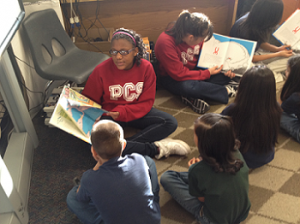
For the first decade of operation, it would have been difficult to distinguish Pioneer from one of the neighborhood district schools (the district maintained control over the school’s budget, hiring of the school leader, and other duties that the school’s governing board should have had responsibility for). One consequence of this ‘charter school in name only’ management was that most parents believed that the school was their neighborhood school. About five years ago, during Pioneer’s charter renewal, DPS made the Pioneer board decide between becoming a district school or firmly establishing itself as a charter school. The governing board decided to become a full-fledged charter school, taking on fiduciary responsibility for Pioneer. Pioneer has struggled academically, which has been quite a challenge for me as a board member. During my first year on the board, we contemplated recommending closure. Instead, we made a change in school leadership, hiring a dynamic leader who had previous success as the founder of a KIPP school in Colorado. We are in the second year of our self-imposed turnaround, a process that has included: a nearly 50 percent turnover in teachers; a complete overhaul of the curriculum (from inconsistent use of Success for All and Everyday Math to a customized, in-house standards-based curriculum based on the Common Core); the implementation of regular benchmark assessments and data-driven decision-making; and changes in school policies to ensure that we have a culture of high expectations. As a board, we are cautiously optimistic that we will see academic gains on this year’s state assessments. But we are also realistic in understanding that it may take another year or two to see real improvements (fingers crossed that it will happen before we come up for renewal again). Serving on a charter school governing board has been incredibly demanding and amazingly rewarding. I truly love the work. However, it is a yearly challenge for our board to find new board members. We work with local organizations, like the Colorado League of Charter Schools and Get Smart Schools, to find new board members. But we have had to balance seeking out individuals who have the expertise we need with simply finding individuals who are willing to volunteer their time to the school (and twisting their arms to do so…). And this is not a unique problem for our charter school (the National Charter School Resource Center examines recruiting board members in D.C. and Maine here). For many new charter school board members, this is the first time they have served on a board (that was my experience). Fortunately, there are some great resources for governing board professional development in Colorado through the CO League and the CO Department of Education. Other states have similar resources for governing boards. There are also national organizations that provide assistance and quality guidelines. As a researcher, I am interested in the role that charter governing boards play in the charter sector. However, there is very little research on charter boards and many unanswered questions: Who serves on charter boards and for how long? What are the most common decisions that charter boards undertake? What types of board decisions have the most impact on school performance? How do founding boards differ from boards of charter schools that have been around for many years? How involved are boards in the strategic vision of their charters? This is certainly an untapped area for potential charter school research. I hope future studies can shed light and provide solutions for the questions, so that schools like mine can effectively propel themselves to a higher level of board operation and student academic achievement. Photo: Older students read to the younger students on Reading Day at Pioneer Charter School (PCS).